

I’m going to kick things off by emphasizing just how crucial regular health screenings are for men. You see, with age and lifestyle choices, certain health issues tend to sneak up on guys. Think of conditions like hypertension, diabetes, and certain cancers – these are all too common but can often be tackled head-on with early detection.
What Health Checks Should You Get?
- Height & weight
- Waist measurement
- Blood Pressure Check.
- Cholesterol Check.
- Diabetes Screening.
- Skin Cancer Check.
- Prostate Screenings.
- Colonoscopy.
Now, I get it. There’s a bit of uncertainty when it comes to health screenings. You might be asking yourself,
‘What exactly is a health screening?
Do I really need one?’
It’s not about going through needless procedures or creating needless worry.
It’s about staying one step ahead, catching potential issues early, and managing your health effectively.

I’m here to help you navigate those decisions by offering a clear picture of what health screening involves. By understanding the ‘how’ and ‘why’ behind these check-ups, you’re setting yourself up for a healthier future.
And remember, this isn’t just about ticking a box once a year. It’s about a partnership with your healthcare provider, building a rapport that’s rooted in open communication and mutual respect.
It’s your health on the line, so making informed decisions based on professional medical advice should always be a top priority.
Preparing for Your Health Screening: Steps to Take
So you’ve made the smart choice to schedule a health screening. It’s going to be a pivotal step in taking control of your well-being.
But what do you actually do to prepare for it?
It’s not just about showing up on the day; a bit of preparation can ensure that you get the most out of the experience. I’m going to give you some practical advice on how to get ready.
First up, let’s talk about the mental prep. Going into a health screening can be anxiety-inducing for some. It helps to remember that this is about safeguarding your health.
It’s a proactive move, not a reactive one.
You might find it useful to jot down any concerns or symptoms you’ve experienced. It’ll be important when discussing your health with the provider.

I recommend putting together a list of questions to ask. This could include queries about the screening process, potential follow-up steps, and ways to improve health outcomes.
Knowledge is power, and there’s no such thing as a dumb question when it comes to your health.
Having the right paperwork in hand can streamline your visit. Organize a folder, physical or digital, with your medical history, any previous test results, and a list of medications you’re currently taking.
You’d be surprised how often people forget to mention a supplement or over-the-counter drug that could impact their screening results.
Lastly, consider the practicalities of your lifestyle choices before the screening. Some tests might require you to fast, while others could be influenced by physical activity or certain foods.
Check with your healthcare provider about any specific do’s and don’ts in the lead-up to your appointment.
Understanding the Screening Process
Okay, so you’ve got your checklist ready, and now you’re stepping into the clinic. You might feel a wave of nerves, but there’s no need for worry. I’m going to walk you through the screening process so you can know exactly what to expect and why each part matters.
First off, typical health screenings involve a series of assessments, and yes, that includes some paperwork. You’ll likely start with basic measurements: weight, height, and blood pressure. These are quick and provide a snapshot of your basic health indicators.
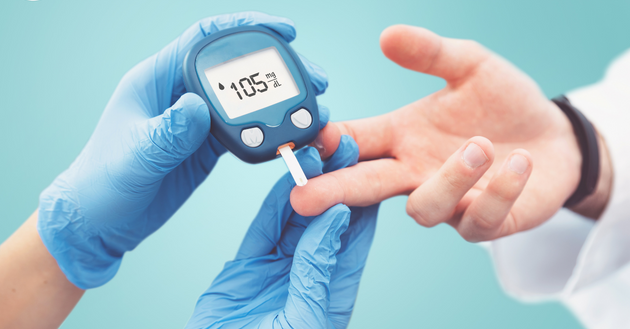
Next up, bloodwork. It might not be everyone’s favorite, but it’s crucial for insights into your cholesterol levels, blood sugar, liver function, and more. The few moments of discomfort are a trade-off for a wealth of health information.
You may also undergo imaging tests, like X-rays or ultrasounds, depending on what your doctor is looking for. And of course, there’s the physical exam, where your physician actually examines your body for any signs of potential health issues.
Don’t underestimate the importance of your medical history, either. Be clear and thorough when discussing it with your healthcare provider. It helps them tailor the screening to your specific needs and could highlight areas that require particular attention.
Regarding privacy, remember that healthcare professionals are bound by confidentiality. This means all the details of your health screening remain between you and your medical team, so you can be honest and open without fear of information being shared inappropriately.
As we segue into the next section, we’ll tackle the specifics of common screenings more in-depth. These include tests you’ve probably heard of, like those for cholesterol levels, as well as other important screenings that might not be as familiar. Stick with me, and we’ll delve into what each screening looks for and why it’s important for your health.
Common Screenings and What They Entail
So, you’re about to get familiar with the usual suspects of men’s health screenings. Think of these as your body’s personal checkpoint to ensure everything is running smoothly.
Let’s kick things off with the big ones:
Cholesterol levels and blood pressure. High levels can be stealthy—often showing no symptoms—so these tests are vital players in preventing heart disease.

Blood sugar tests are key as well; they’re gatekeepers on the lookout for diabetes. Catching diabetes early can be a game-changer in terms of managing it effectively.
When it comes to cancer screenings, the guidelines can vary, but typically prostate and colon cancer screenings take center stage for men, especially as you age.
A good friend of mine ignored the early signs of a prostate problem & by the time he went to get it checked out, it was too late.
He’s now paying the ultimate price!
To learn more about prostate cancer, the early signs & tests that YOU can do, read this article
And don’t forget the skin—regular mole checks are a must in the fight against skin cancer.
Another crucial aspect often left on the sidelines is mental health. Depression screenings are just as important as the physical ones.
Remember, mental and physical health go hand in hand.
It’s also about the numbers—and I’m not just talking age.

Depending on how many candles are on your birthday cake, some screenings will be more relevant. For instance, colon cancer screenings are recommended for men over 50.
I’ll also touch on why these screenings might vary for you personally—because hey, we’re all different. Your first attempt doesn’t need to be your last; recommendations can change based on personal and family health history, lifestyle, and even previous screening results.
Interpreting Results: Next Steps After Screening
Understanding your health screening results is crucial to taking control of your health. When you receive your results, it’s not just about glossing over the numbers and moving on.
I’m going to break down what those results mean and how they can shape your health plans moving forward.
If your results come back normal, that’s fantastic, but don’t let it be a reason for complacency. Use it as reassurance that you’re on the right track and maintain or even improve your healthy habits.
Remember that with every passing year that you have a health check, the screening results, build up a picture.
So anything that changes in your results, will flag up straight away.
If there are at-risk or abnormal findings, it’s not the end of the world. Many conditions can be managed, if not completely resolved, with early intervention and proper care.
An at-risk result is a yellow light, signaling caution and the need for closer attention. This might involve more sophisticated tests or lifestyle changes.
Now, an abnormal result is a red flag, requiring immediate action. This could mean medication, lifestyle adjustments, or further diagnostic tests to pinpoint the issue and tackle it head-on.
Don’t hesitate to get a second opinion if your gut tells you something’s off. A fresh set of eyes can provide new insights or confirm a diagnosis, giving you peace of mind.
After all, it’s your health, and you’re entitled to be confident about the information you’re given and the next steps you’re taking.

With a clear understanding of your results, collaborate with your healthcare provider to draft an action plan. Whether that’s scheduling follow-up screenings, consulting with specialists, or kicking off a new wellness regimen, your post-screening strategy should be personalized for your unique health journey.
Remember, post-screening doesn’t mean you’re on your own. It’s about using the information you’ve been given to craft a healthier, happier future. Your health screening is a snapshot, not the full picture, so regular check-ins with your doctor are key. But what about life after these screenings? Let’s talk about that in the next section.
Maintaining Health Post-Screening
I’m here to help you with the next crucial steps after your health screening. Now that you’ve taken the initiative to get screened, maintaining and improving your health is key.
If you want to make the most of your health screening results, consider integrating lifestyle changes that can lead to positive outcomes.
Think about adding more physical activity to your daily routine, eating nutritious food, or managing stress effectively.

As for the regularity of health screenings, it’s not one-size-fits-all. Your age, family history, and specific health concerns will dictate how often you should be screened.
Don’t worry too much about memorizing schedules; your healthcare provider will recommend the ideal frequency for you.
Remember, staying healthy is not just an individual journey. Leverage the support of friends, family, or support groups. Having a strong support system can make a huge difference in your motivation and commitment to a healthier lifestyle.
In conclusion, use your screening as a powerful motivator. Regular check-ups empower you to take charge of your health proactively.
You can always adjust your approach down the road, and your first attempt doesn’t need to be your last. Just don’t focus too much on perfection—choose something that resonates with you and start there.
I really hope that this article helps you out & that you will take this advice to heart and continue on your path to optimal health.
thanks for taking the time to read the article & if you have any questions or comments, feel free to leave them below & I will get back to you.