
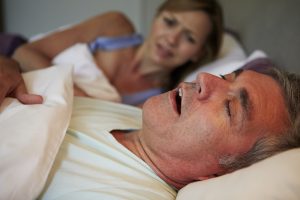
Sleep apnea isn’t just about snoring. People often misunderstand this sleep disorder, thinking it’s no biggie or something to joke about. It’s actually a serious condition where breathing repeatedly stops and starts during sleep. This can lead to big-time interruptions in rest, leaving you tired and sluggish during the day.
Ever wondered how many folks deal with this? It’s estimated that millions are affected by sleep apnea, with many cases going undiagnosed. It doesn’t discriminate either; it can hit anyone, regardless of age or gender, though some groups are more at risk. Middle-aged men and older adults, especially those who are overweight, are particularly prone.
Now, when we talk about sleep apnea, we’re not just talking about one thing. There are actually a few different types: obstructive sleep apnea (OSA), central sleep apnea (CSA), and complex (or mixed) sleep apnea syndrome. OSA is by far the most common type, occurring when throat muscles relax too much. CSA, on the other hand, happens because the brain doesn’t send the right signals to the muscles that control breathing. And then there’s complex sleep apnea, a blend of both OSA and CSA. Each type comes with its own set of challenges and requires different approaches to deal with effectively.
Recognizing the Symptoms of Sleep Apnea
Unlike some health issues that are pretty straightforward, sleep apnea can be a sneaky disruptor. It doesn’t always announce itself clearly. One of the hallmark signs is loud, chronic snoring. If your partner often finds themselves nudging you awake due to your noisy nighttime serenades, it might be more than just a quirk.
Feeling exhausted during the day even after a full night’s sleep? That’s another big clue. Sleep apnea often disrupts the deep, restful phases of sleep, leaving you dragging through your day.
Keep an eye out for morning headaches. Waking up with a throbbing head can be linked to fluctuating oxygen levels during the night. Doesn’t sound fun, right?

Ever wake up gasping for air or feeling like you’re choking? That’s a red flag. This kind of interrupted breathing is a classic sign of sleep apnea. Some might not even remember this happening, but a partner might notice.
Mood swings and irritability can also be indicators. If you’re constantly feeling cranky or down, it might not just be stress. Sometimes, poor sleep quality messes with your mood and mental health.
Sleep apnea symptoms can vary widely. Some folks might have just one or two symptoms, while others experience a whole bunch. Recognizing these signs early can make a huge difference in getting the right treatment and improving your quality of life. Where’s the harm in being a bit more aware, right?
The Health Risks Associated with Sleep Apnea
Sleep apnea isn’t just about feeling tired. Ignoring it can lead to some serious health risks. Short-term, your quality of life takes a hit—constant fatigue, trouble concentrating, and mood disturbances are just part of it.
When we zoom out, the long-term risks are even scarier. Poor sleep impacts your heart. People with untreated sleep apnea have a higher risk of high blood pressure, stroke, heart attacks, and irregular heartbeats. It’s like putting your heart on a constant rollercoaster ride. Left unchecked it could literally cause you to die.
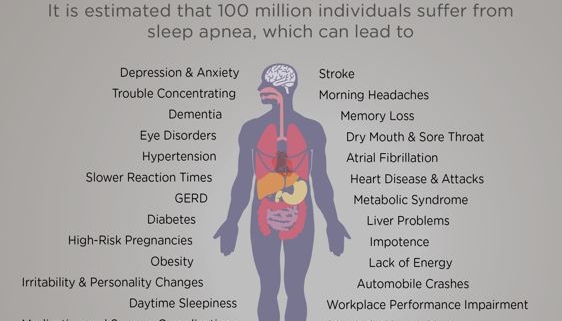
Think diabetes is tough already? Sleep apnea can make it worse. There’s a strong link between disrupted sleep and insulin resistance. That’s a one-two punch nobody needs.
Mental health doesn’t get off easy either. The condition can lead to or exacerbate depression and anxiety. It’s hard to manage mental health when you’re not getting quality sleep, creating a frustrating cycle.
Everyday life gets tougher too. Driving while drowsy because of sleep apnea is risky. It slows down your reaction time and makes accidents more likely.
Taking steps to get diagnosed and treated can help you avoid these risks. Don’t let sleep apnea control your life. Stay proactive about your health and consult a healthcare provider if you’re noticing symptoms. Trust me, your heart and mind will thank you.
What Causes Sleep Apnea?
Pinpointing the exact cause of sleep apnea can sometimes feel like solving a puzzle. Genetics plays a role for many. If sleep apnea runs in your family, you might be at higher risk.
Lifestyle factors often stack the deck against you. Being overweight is a major risk factor. Extra tissue in the back of the throat can obstruct your airway during sleep. Similarly, having a thick neck or narrow airway can contribute.
Then there’s age—it’s more common in older adults. Men are also generally at higher risk than women, though women catch up in risk after menopause.
Certain medical conditions can lead to sleep apnea. Conditions like high blood pressure, diabetes, and chronic nasal congestion make sleep apnea more likely. Even some medications and sleeping positions can influence it.

If you’re someone who smokes or drinks alcohol, these habits don’t do you any favors either. Smoking can increase inflammation and fluid retention in the upper airway. Alcohol relaxes the throat muscles too much, making you more prone to airway collapse.
Understanding the risk factors helps in managing and preventing sleep apnea. Making some lifestyle changes, like losing weight and quitting smoking, can significantly reduce your risk. Always consult a healthcare professional to get a complete picture tailored to you.
Diagnosis: How is Sleep Apnea Identified?
Identifying sleep apnea is a bit more involved than just sharing your symptoms with a doctor. You usually start with a medical evaluation, where your healthcare provider will ask about your sleep habits, snoring, and daytime fatigue. They might also check your neck circumference and look for other physical traits linked to sleep apnea.

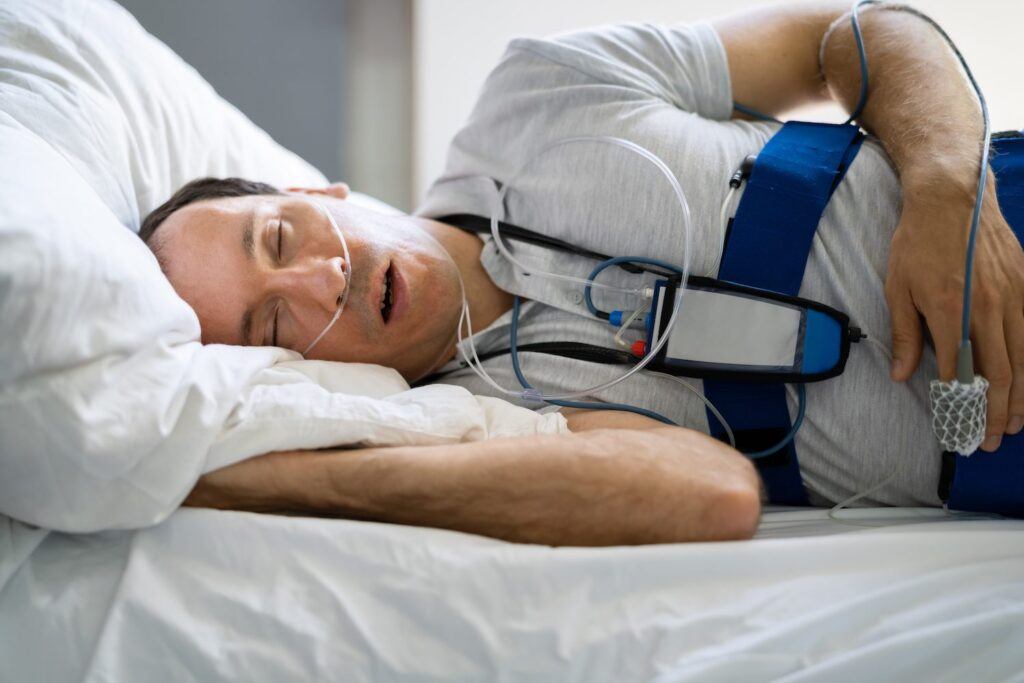
A key part of diagnosis is the sleep study, or polysomnography. This test typically takes place in a sleep lab where you’re monitored overnight. Sensors placed on your body track your breathing patterns, oxygen levels, and brain activity. Sounds complicated, but it’s a straightforward process with valuable insights.
Not everyone needs to go to a lab. Home sleep tests are another option that are becoming more popular. While they might not capture as much detail as a lab study, they’re convenient and can still offer a lot of useful information. The test usually involves wearing a few sensors overnight in your own bed.
Technology is also stepping up in the world of sleep apnea. Apps and wearable devices are now available that can help you track your sleep patterns. While these aren’t a substitute for professional evaluation, they can be a good starting point and offer supportive data for your healthcare provider.
Diagnosing sleep apnea isn’t always straightforward. Some symptoms overlap with other conditions like insomnia or restless leg syndrome. That’s why it’s essential to work closely with a medical professional who can interpret the results and determine the best course of action.
Getting an accurate diagnosis is the first step toward better sleep and overall health. If you suspect you might have sleep apnea, don’t hesitate to talk to your healthcare provider. Early diagnosis and treatment can make a world of difference.
Current Treatment Options for Sleep Apnea
Getting a diagnosis is crucial, but knowing how to treat sleep apnea effectively is just as important.
One of the most effective and common treatments is Continuous Positive Airway Pressure (CPAP) therapy. A CPAP machine keeps your airway open by providing a steady stream of air through a mask you wear while you sleep. It might feel strange at first, but many people find it makes a big difference.
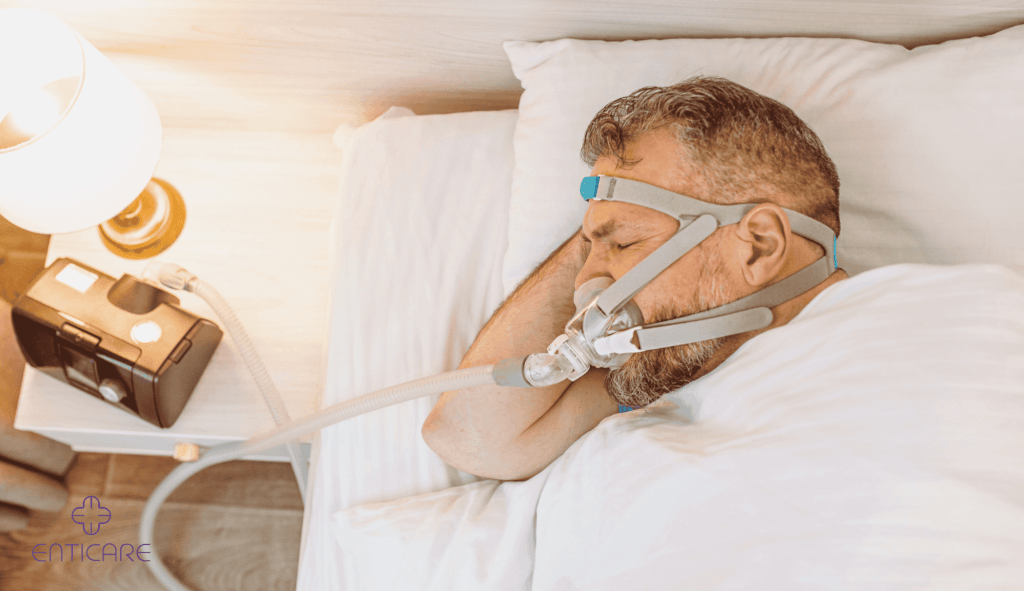
For those who find CPAP machines uncomfortable, there are other options. BiPAP (Bilevel Positive Airway Pressure) and APAP (Automatic Positive Airway Pressure) machines offer variations that some folks find more comfortable.
With the advancement in technology there are now micro CPAP machines.
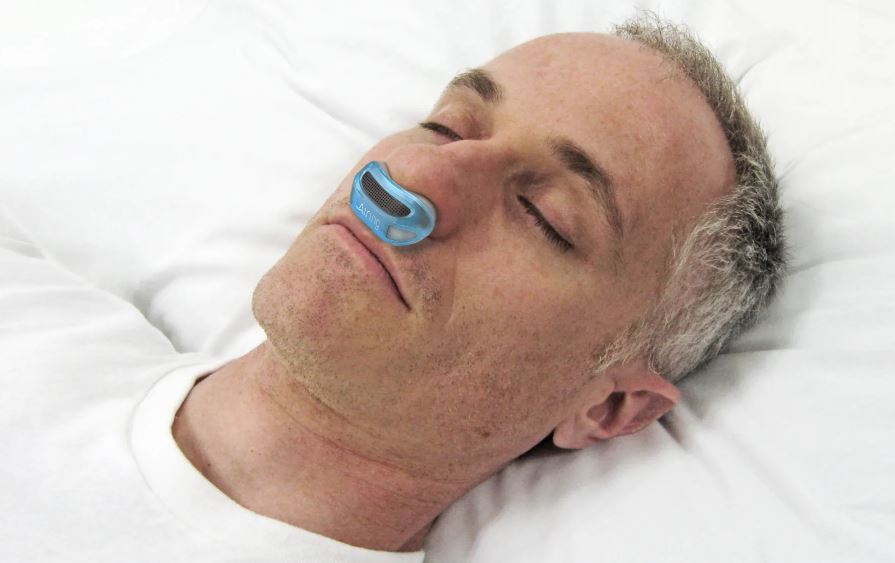
Your health proffesional will be able to help & advise you on the best machine type to help you.
Surgical options are also on the table for more severe cases or when other treatments haven’t worked. Procedures might include removing tissue from the back of your throat, repositioning your jaw, or even implanting devices that help keep your airway open.
For milder cases or as a supplementary treatment, lifestyle changes can have a significant impact. Losing weight, quitting smoking, and adjusting sleep positions are simple yet effective ways to decrease sleep apnea symptoms. Even practicing good sleep hygiene, like keeping a regular sleep schedule and creating a restful environment, can help.
Some treatments are still being explored, such as new medications and innovative gadgets. Staying updated on the latest research can offer new avenues for managing the condition.
Consulting with a healthcare provider is the best way to find the treatment that works for you. Personalized treatment plans often yield the best results.
The Role of Lifestyle in Managing Sleep Apnea
Making lifestyle adjustments plays a huge role in managing sleep apnea. Weight management is crucial. Extra weight, especially around the neck, can put pressure on your airway, causing obstructions during sleep. Even shedding a few pounds can make a noticeable difference.

Nutrition is also key. Eating a balanced diet can help you maintain a healthy weight and improve overall well-being. Avoid heavy meals and snacks before bedtime, as they can interfere with sleep quality.
Exercise is another great way to manage sleep apnea.

Regular physical activity not only helps with weight loss but also improves cardiovascular health and increases energy levels. Incorporating activities like brisk walking, swimming, or even yoga into your routine can have positive effects.
Improving sleep hygiene is essential. Try to stick to a regular sleep schedule, even on weekends. Create a relaxing bedtime routine to signal your body that it’s time to wind down. You can read this article to fully understand – The Importance Of Sleep For Health

Limit screen time before bed—phones, tablets, and computers can emit blue light, which messes with your sleep-wake cycle.
Steering clear of alcohol and sedatives before bed is also important. These substances can relax the muscles in your throat too much, worsening sleep apnea symptoms. Opt for herbal teas like chamomile or peppermint if you want something calming before sleep.
If allergies are an issue, keeping your sleeping environment clean can help. Use hypoallergenic bedding and maintain a dust-free bedroom to reduce nasal congestion, which can exacerbate sleep apnea symptoms.
Talking to your healthcare provider about these lifestyle changes can offer additional guidance tailored to your specific situation. Remember, small everyday changes can lead to significant improvements in managing sleep apnea.
Living with Sleep Apnea: Tips for Improving Quality of Life
Using CPAP machines effectively can be a game-changer. It’s not just about wearing the mask—making sure the fit is right and using it consistently are key. If you find the mask uncomfortable, discuss different styles and fit options with your health provider.
Creating a sleep-friendly environment helps too. A cool, dark, and quiet bedroom can promote restful sleep. Earplugs or white noise machines can block out disruptive sounds, enhancing sleep quality.
Mental and emotional strategies are also important.

Feeling down or stressed about your sleep apnea? Consider joining a support group. Connecting with others who share similar challenges can be comforting and offer practical tips.
Staying informed about sleep apnea is crucial. Keep up with the latest treatments and research. Your healthcare provider can be an invaluable resource, so keep the communication lines open.
Make it a family affair. Encourage household members to support your sleep health. This might mean imposing ‘quiet hours’ or getting them involved in your bedtime routine to make it more enjoyable and less isolating.
Develop a routine. Consistency can make a world of difference. Try to go to bed and wake up at the same time every day, even on weekends. Routines help regulate your body’s internal clock, making it easier to fall and stay asleep.
Don’t hesitate to seek professional help when needed. Regular check-ins with your healthcare provider can help manage your symptoms more effectively. They can adjust your treatment plan as needed to ensure it’s working for you.
By combining these strategies, you can significantly improve your life quality while managing sleep apnea. It’s about finding what works best for you and sticking with it. Better sleep is within reach.
As always, thanks for reading this article & I hope you found it helpful.
If you have any questions or comments, please leave them below & I will reply to you.